


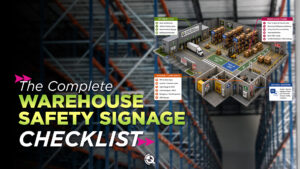
Safety Signage
The Complete Warehouse Safety Signage Checklist: Interior, Exterior & Floor Solutions
The Complete Warehouse Safety Signage Checklist: Interior, Exterior & Floor Solutions Walk into most warehouses and you’ll find
Need the signs, not just the list? Every sign on this page comes out of our shop in Laredo, TX, and most of our customers are warehouses in Texas and South Texas. A small order can be ready in a few hours and a full facility takes up to a week. No order is too big or too small, and from 3 signs on the price per batch starts to drop. See our custom safety signs or call (956) 722-7690.
Need the signs, not just the list? Every sign on this page comes out of our shop in Laredo, TX, and most of our customers are warehouses in Texas and South Texas. A small order can be ready in a few hours and a full facility takes up to a week. No order is too big or too small, and from 3 signs on the price per sign starts to drop. See our custom safety signs or call (956) 722-7690.
A laminated sheet of paper taped to a rack upright is a reminder, and most of them are curling by August. Signs that stay readable for years come down to matching the material to the spot where it hangs.
Aluminum goes outside: yard gates, dock approaches, parking lots. Laredo summers run past 100°F, and aluminum doesn’t warp in direct sun the way thin plastic does. Rigid plastic works indoors on walls and racking, where nothing hits it. Floor signs take the worst of it because forklifts drive over them all shift, so those get a laminated finish made for foot and wheel traffic. Reflective sheeting is for anywhere the light drops, like dock doors at night or the back aisles of a cold storage room.
Regulatory signs ensure your warehouse adheres to legal safety requirements. These include:
These signs must be strategically placed, highly visible, and easily identifiable to ensure readiness during emergencies.
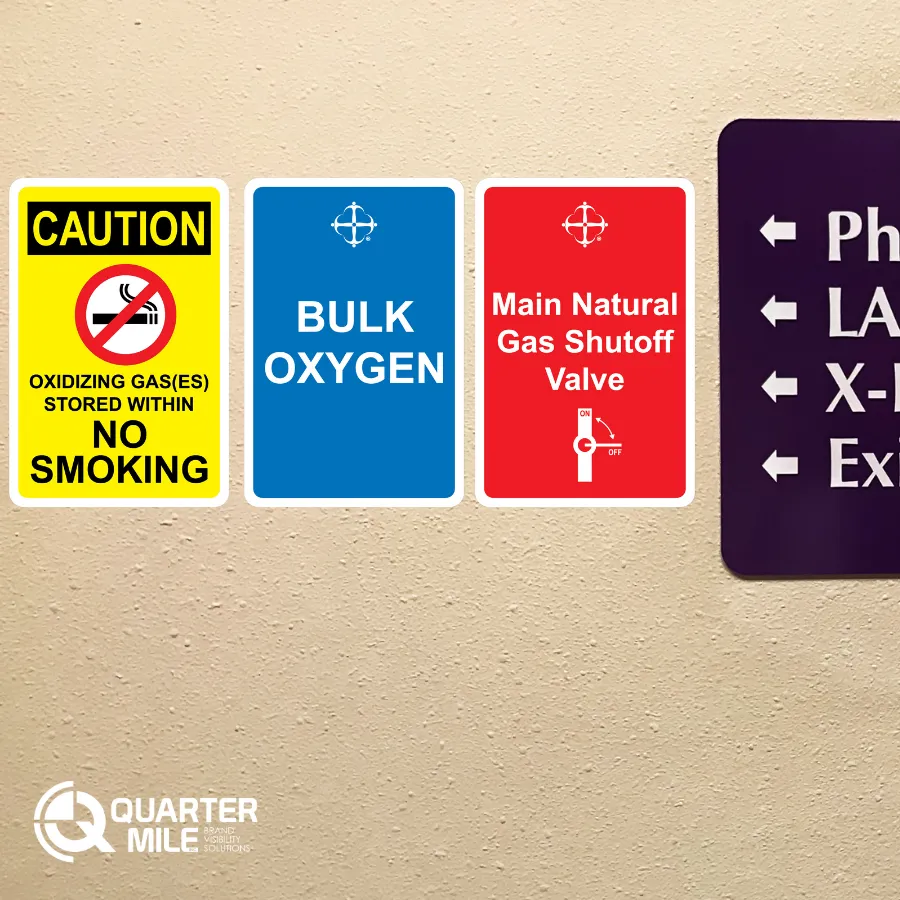
From fire risks to slippery floors, hazard warning signs alert workers to specific dangers, allowing them to take precautions. Examples include:
Tip: Use bold colors and reflective materials for maximum visibility, especially in low-light areas.
Prohibition signs highlight actions that are not permitted in specific areas to maintain safety, such as:
Typically featuring red symbols, these signs make it clear what actions are restricted.
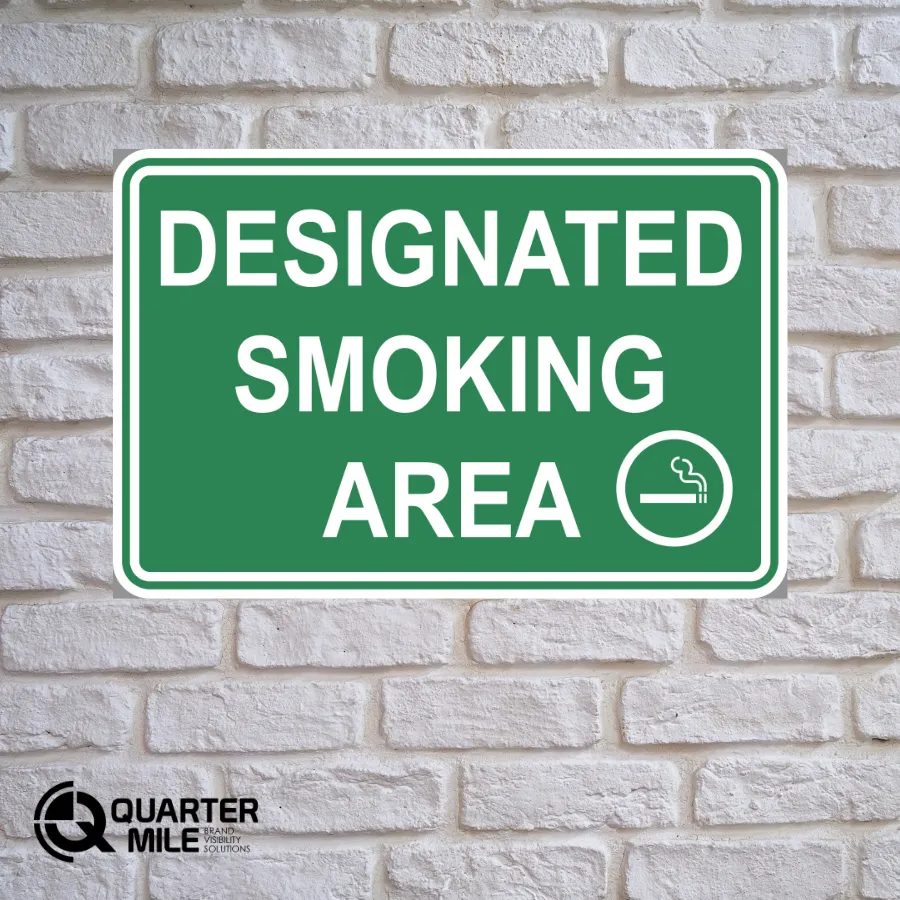
Where prohibition signs say “don’t,” mandatory signs say “do.” They instruct employees to follow essential safety protocols, such as:
Mandatory signs are critical for ensuring adherence to workplace safety protocols.
In the event of an emergency, clear signage can save lives. Emergency information signs point to:
Pro Tip: Use glow-in-the-dark or illuminated signs to ensure visibility during power outages.
Fire safety signage highlights risks and provides clear directions during emergencies, such as:
Safe condition signs guide employees and visitors to safety or critical resources, such as:
Green is often used to signify safety and provide reassurance.
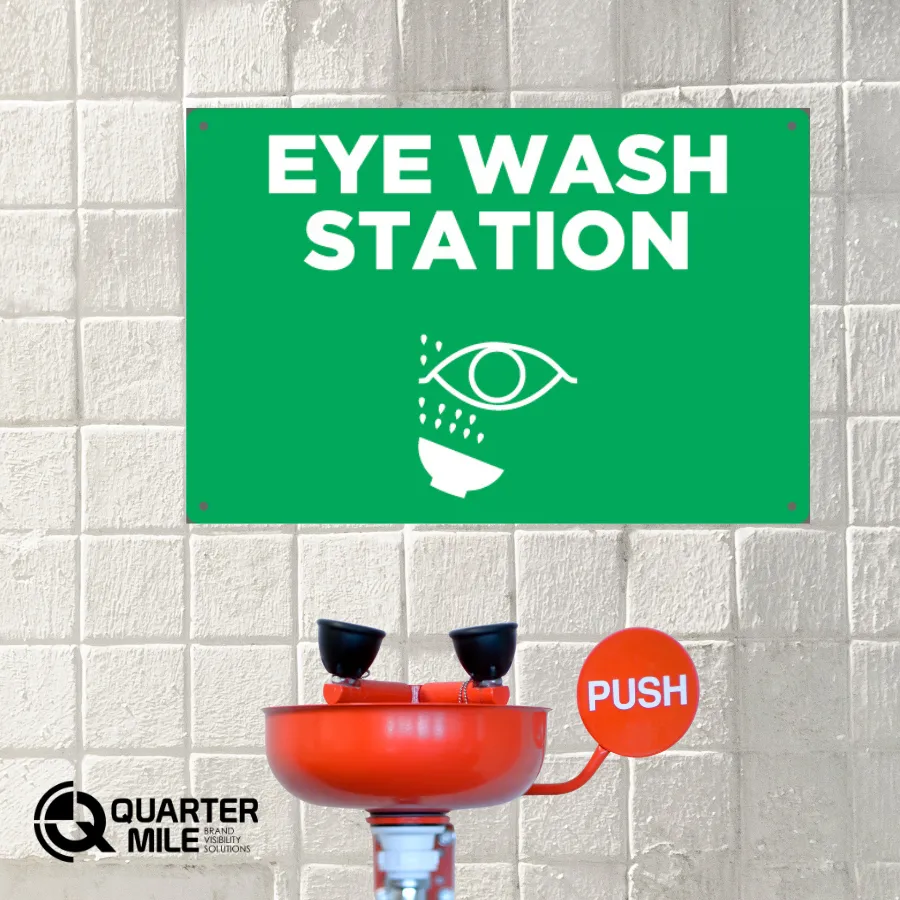

Warehouses are busy environments with vehicles and pedestrians, making traffic management signs vital. Examples include:
Provide clear instructions to reduce confusion and ensure compliance, such as:
These signs minimize confusion and ensure adherence to protocols.
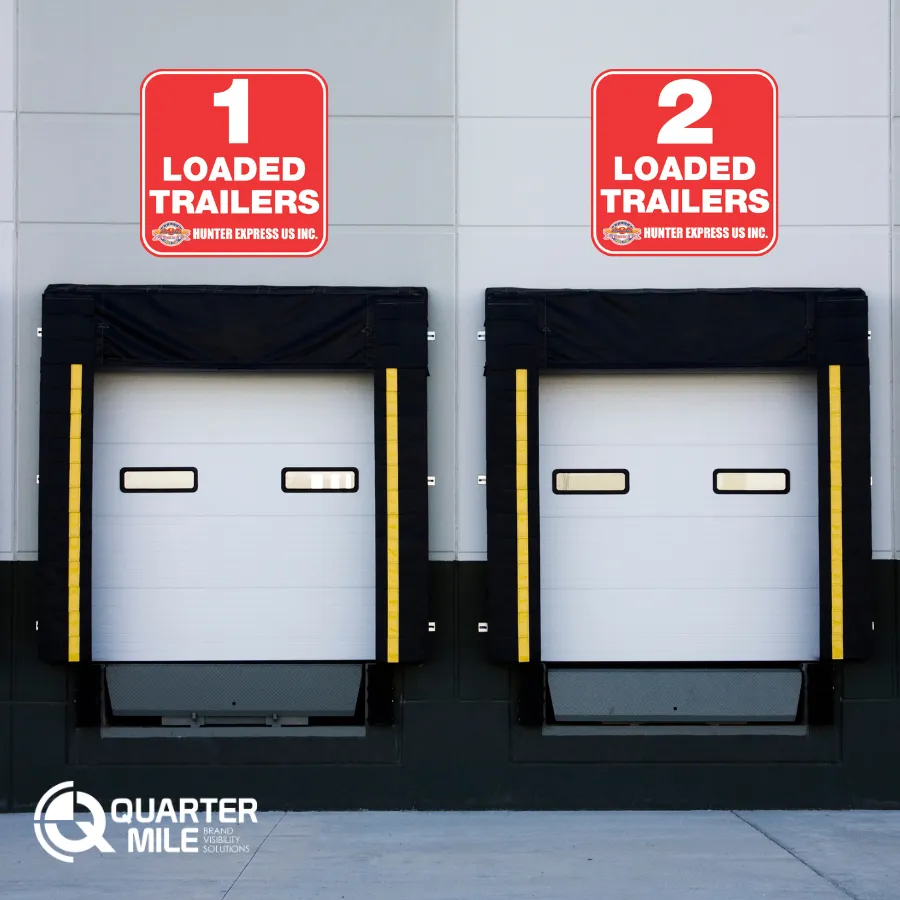
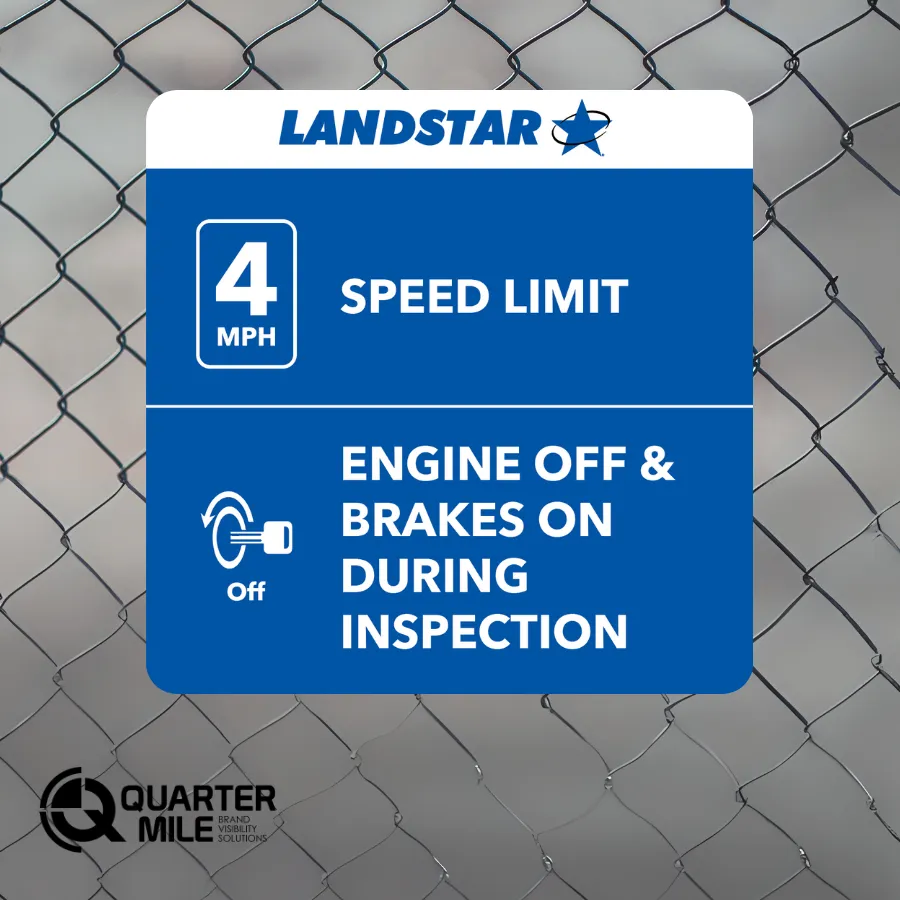
These versatile signs highlight:
They act as a constant reminder of best practices, boosting overall awareness.
Signage isn’t limited to walls and posts — the warehouse floor itself is one of the most overlooked safety and wayfinding surfaces in the building. Floor graphics create constant, low-maintenance visual cues that overhead signage can’t always provide, especially in high-traffic zones where workers are looking down, not up.
Common floor applications include:
Floor graphics are typically produced in high-traction, slip-resistant vinyl rated for forklift and foot traffic, and hold up significantly longer than painted lines in high-wear areas. For a full breakdown of interior, exterior, and floor-level signage planning, see our Complete Warehouse Safety Signage Checklist.
Not every warehouse safety message can rely on static print. Facilities running multiple shifts, low-light dock areas, or frequently-changing operational statuses are increasingly turning to digital and illuminated signage to keep safety information visible around the clock.
Digital warehouse signage typically covers:
Illuminated and digital options are worth the investment anywhere visibility is inconsistent — third-shift operations, low-ceiling storage areas, or docks exposed to changing daylight conditions. Quarter Mile’s digital marquee sign and lighted sign lines are built for exactly this kind of always-on facility communication.
Security signage works alongside safety signage to control who has access to a facility and to document that access is being monitored, a distinction that matters both for liability and for insurance and compliance audits.
Common warehouse security signage includes:
For facilities operating under C-TPAT or similar supply chain security requirements, see our dedicated breakdown: Securing the Supply Chain: C-TPAT Signage You Can Trust.
Even with the right sign types in place, poor placement undermines their effectiveness. A few layout principles we apply on every warehouse signage project:
These are the same principles we apply when producing warehouse signage packages from initial site walkthrough through installation, see examples in our Safety and Security Signage gallery.
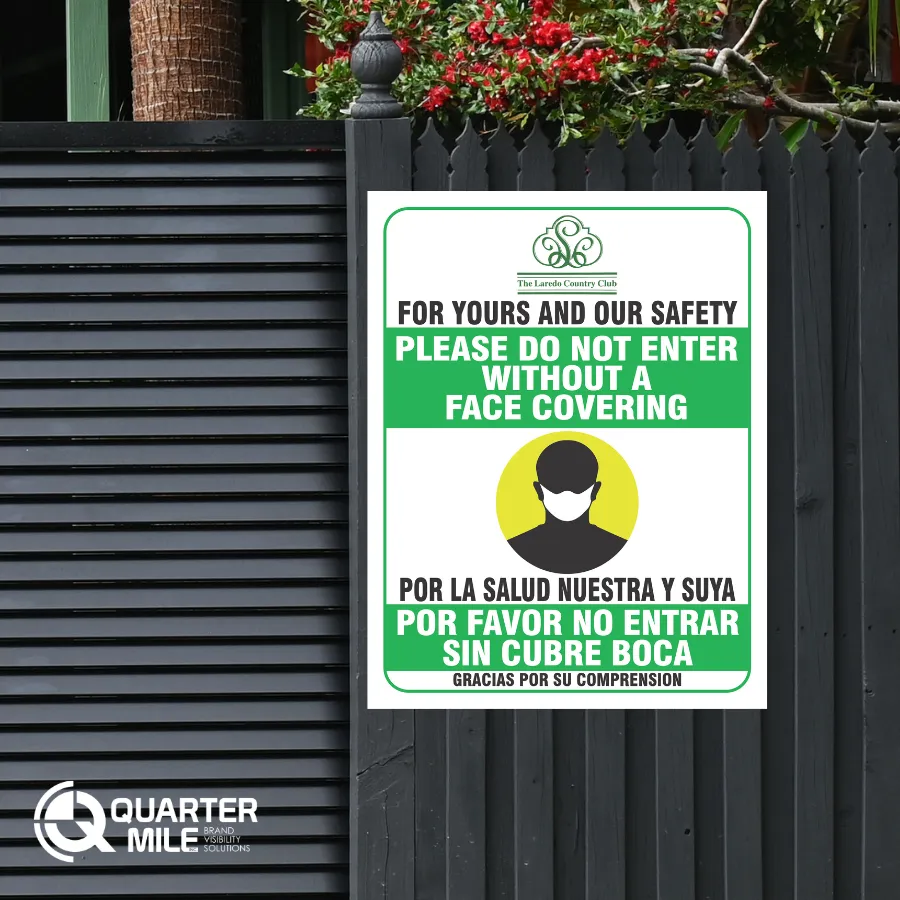
For warehouses with bilingual workforces, common throughout South Texas and the broader border region, safety signage in English only creates a real comprehension gap on exactly the messages that matter most: hazard warnings, PPE requirements, and emergency procedures.
Bilingual signage should:
As a Laredo-based supplier producing signage for a genuinely bilingual workforce, this is an area where Quarter Mile builds signage differently than national catalog suppliers producing English-only stock designs at scale.
High-traffic areas need prohibition signs sized for line-of-sight visibility from at least 20-30 feet — undersized signage is the most common compliance gap we see during facility walkthroughs. Standard OSHA-compliant sizing runs from 7″x10″ for near-range postings (dock doors, equipment access points) up to 14″x20″ or larger for overhead or long-aisle visibility. Design should stay high-contrast (red/white or black/white), symbol-first, and free of competing text — a prohibition sign with more than one message tends to get ignored entirely.
Facilities managing signage across multiple sites need a supplier that can standardize designs, materials, and specs across every location — not just fulfill one-off orders. Quarter Mile produces bulk safety signage runs in Coroplast, composite aluminum, and reflective materials, with consistent branding and compliance specs across every facility in your portfolio. Get a bulk quote for your locations.
The right supplier should offer custom design (not just stock templates), OSHA/ANSI-compliant material options, and the ability to fulfill large or recurring orders without lead-time surprises. Look for a partner who can walk your facility, identify gaps against current code, and produce a full signage plan rather than selling signs one category at a time.
While signage is essential, overcrowding an area with too many signs can lead to “sign blindness,” where important messages are overlooked. Keep your signage strategically placed and well-spaced to maintain its impact.
At Quarter Mile, we offer:
We’re here to help you create a safer, more efficient workspace.
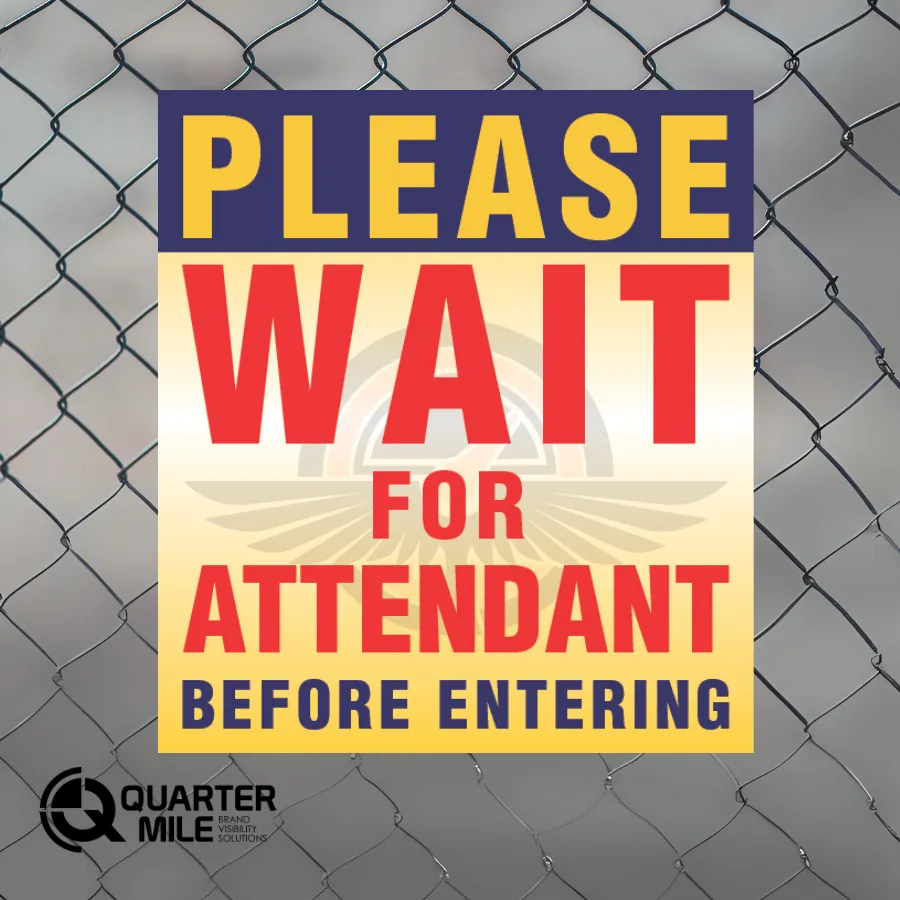
Choose from options like:
• Coroplast
• Composite Aluminum
• Reflective and more
Whether you’re enhancing workplace safety or boosting security, the possibilities are truly limitless. Let’s create signage that works as hard as you do!
Regulatory compliance, hazard warning, prohibition, mandatory, emergency information, fire safety, safe condition, traffic management, instruction, and information signs each serving a distinct role in keeping a warehouse compliant and safe.
Size should match viewing distance: 7″x10″ for close-range postings, 14″x20″+ for overhead or long-aisle visibility, with high-contrast, symbol-first design.
Yes, Quarter Mile produces standardized, compliant signage runs across multiple facility locations with consistent branding and specs.
Safety signage protects people from hazards within a facility, warnings, PPE requirements, evacuation routes. Security signage controls access and documents monitoring, restricted areas, surveillance notices, and after-hours access rules. Most warehouses need both, often layered at the same entry points.
OSHA doesn’t universally mandate bilingual signage, but it’s strongly recommended anywhere a facility employs non-English-speaking workers, particularly on hazard, mandatory, and emergency information signs, where a language gap carries the highest safety risk.
It’s most valuable in low-light areas, multi-shift facilities, or anywhere information changes frequently, real-time dock status, shift alerts, or illuminated exits that stay visible during power interruptions.
The Complete Warehouse Safety Signage Checklist: Interior, Exterior & Floor Solutions Walk into most warehouses and you’ll find
Securing the Supply Chain: CTPAT Signage You Can Trust Signage is a vital tool for businesses
Compliance Made Easy: ADA and Quality Control Signage Solutions Maintaining compliance with accessibility laws and ensuring