Signage is a vital tool for businesses aiming to meet CTPAT (Customs Trade Partnership Against Terrorism) compliance requirements. It directly supports key security and operational protocols, ensuring that everyone—employees, contractors, and visitors—understands and adheres to the necessary measures. Let’s explore how proper signage contributes to compliance across various aspects of your facility.
Laredo moves more freight across the border by truck than almost any other port in the country, and a lot of the companies doing it are CTPAT partners: customs brokers, 3PL warehouses and the carriers that run trailers across the bridges every day. When a CBP specialist walks one of those facilities, the signs are part of what they see first. Restricted areas, visitor check-in and seal checks all have to be obvious to people who don’t work there.
We make these signs here in Laredo, along with the rest of our custom safety signs. Plenty of crews on those docks work in Spanish, so we can print each CTPAT sign in English and Spanish on the same panel.
The signs we make for each area a CBP specialist checks:
| Area | Signs we make for it |
|---|---|
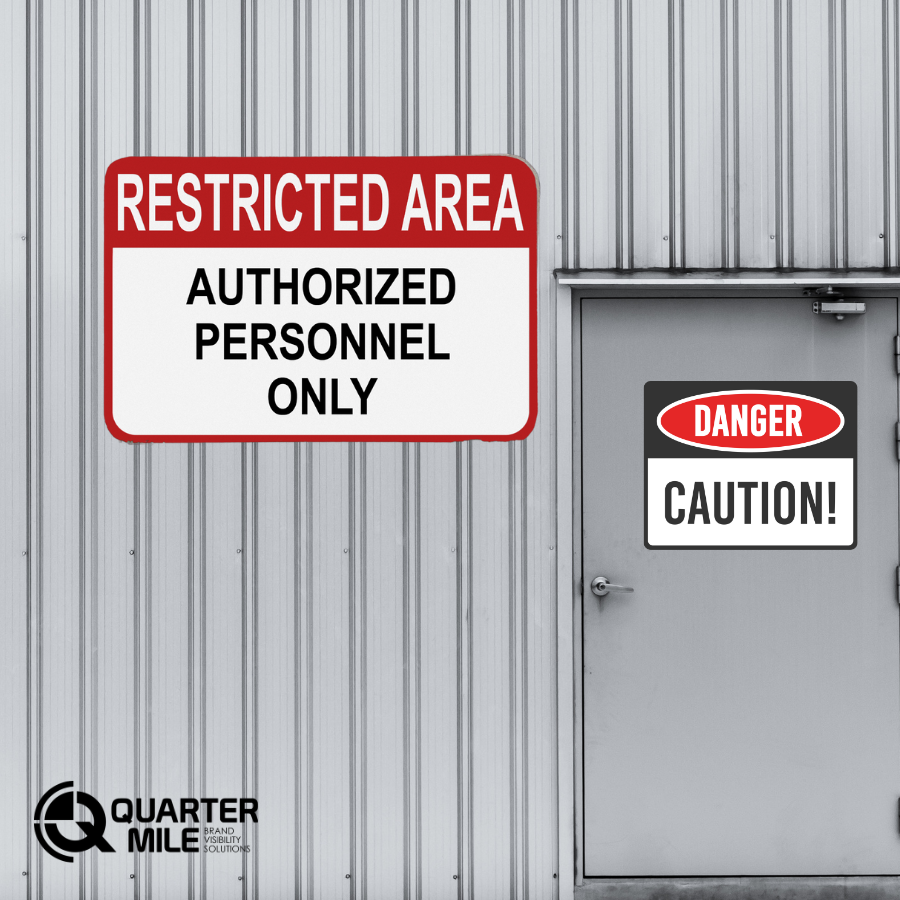
Access control and restricted areas | Signs we make for it Restricted Area, Authorized Personnel Only |
Visitor management | Signs we make for it All Visitors Must Report to Main Office (English and Spanish), badge notices |
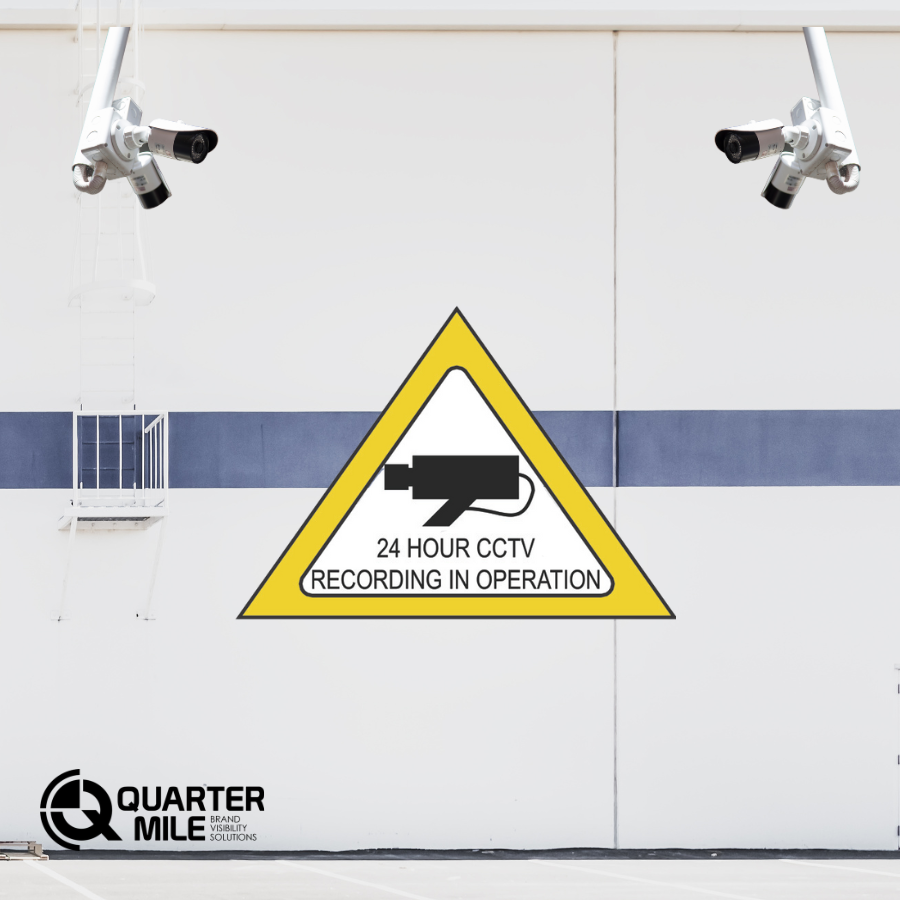
Physical security | Signs we make for it 24-hour CCTV recording in progress |
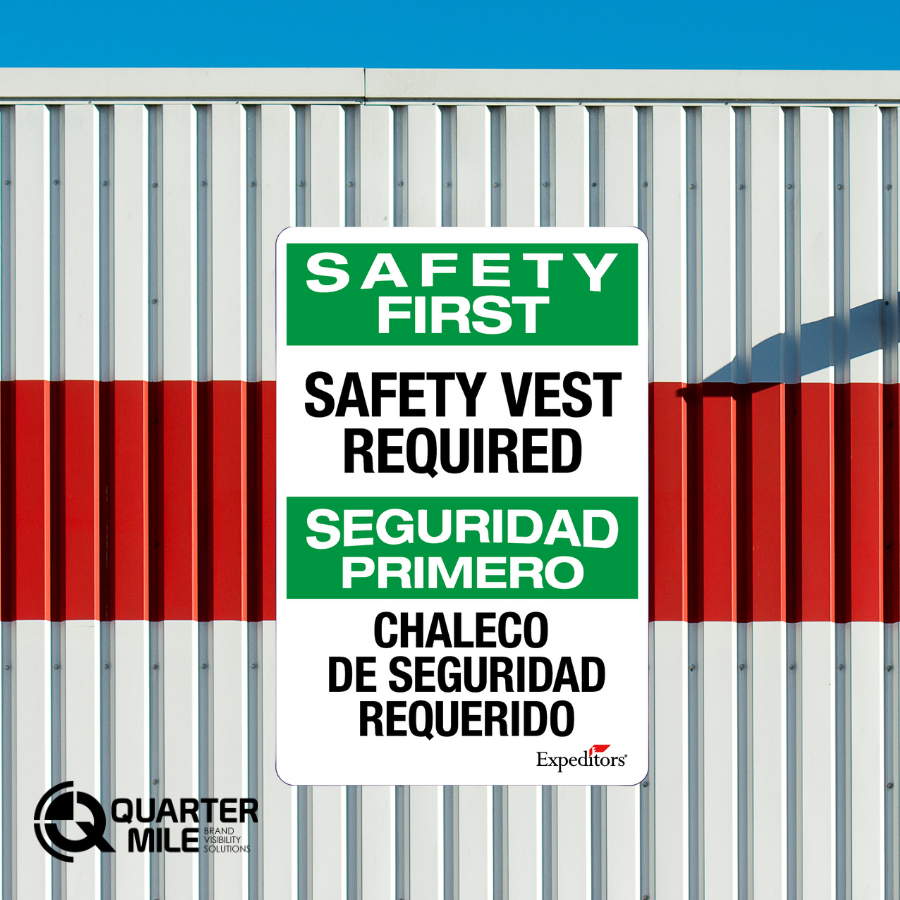
Health and safety | Signs we make for it First aid kit, eye wash station, safety vest required |
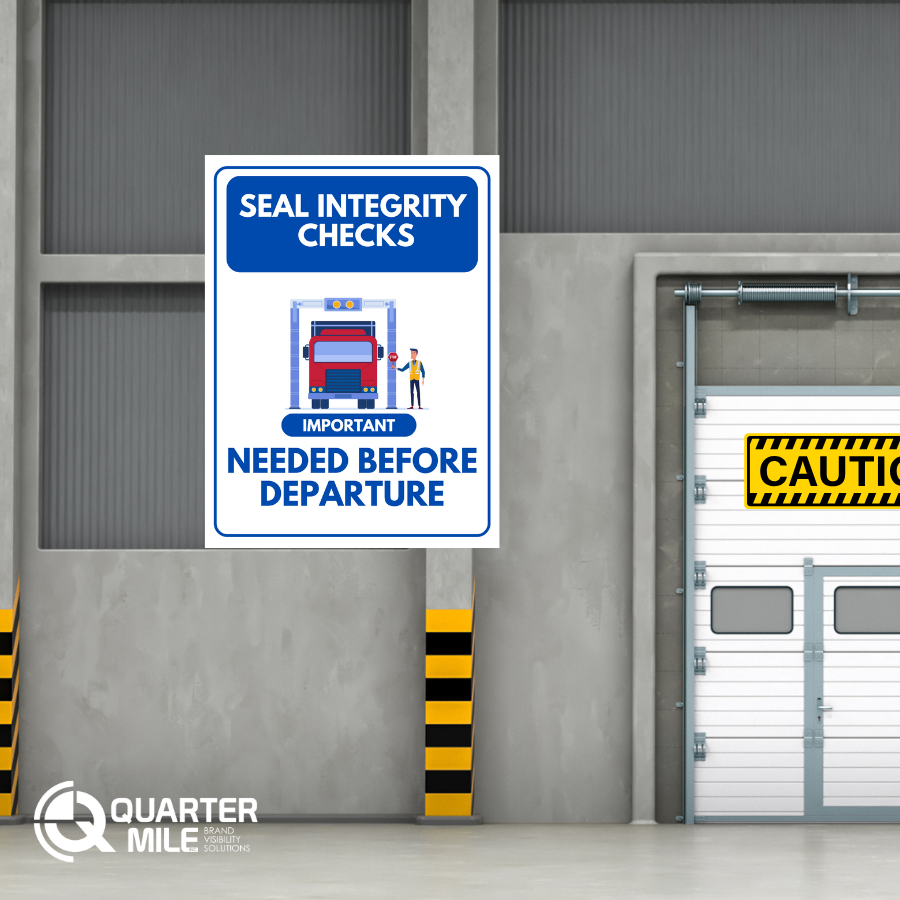
Cargo integrity | Signs we make for it Seal integrity checks needed before departure |
Security awareness | Signs we make for it Security check directional signs |
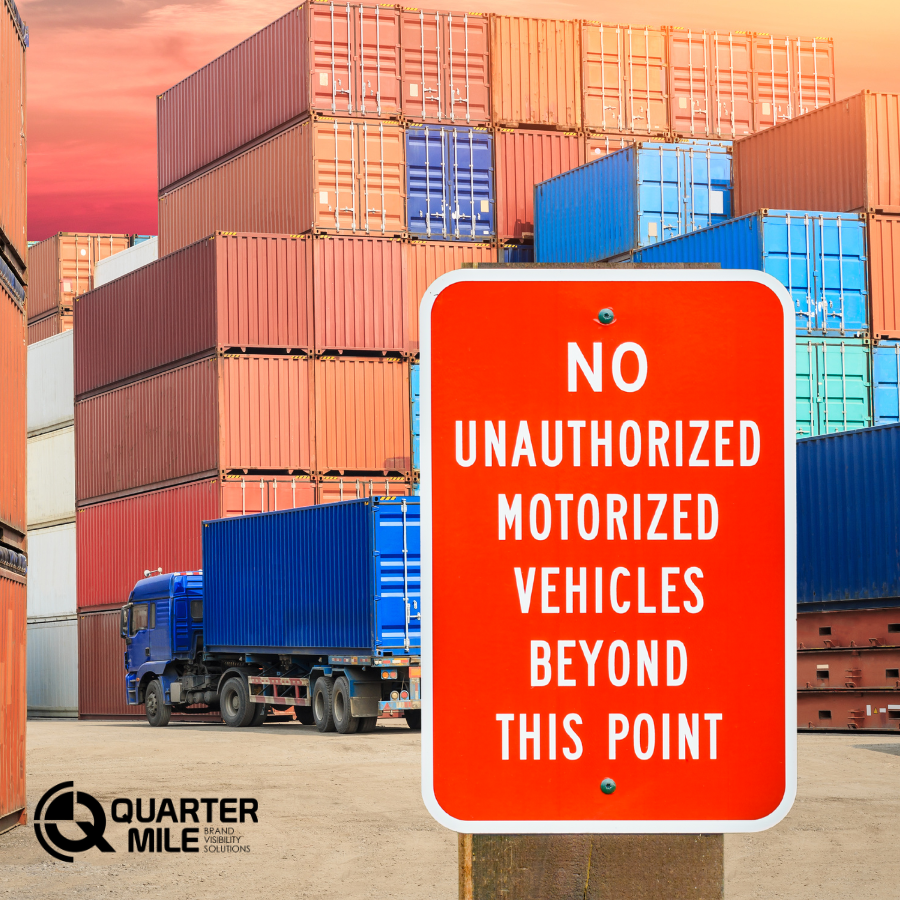
Facility rules | Signs we make for it No unauthorized motorized vehicles, yard speed limit |
Clear signage is essential to restrict unauthorized access and maintain secure operations.
Examples:
CTPAT Connection:
Clearly marked restricted zones prevent unauthorized individuals from entering sensitive areas, reducing risks to supply chain security.
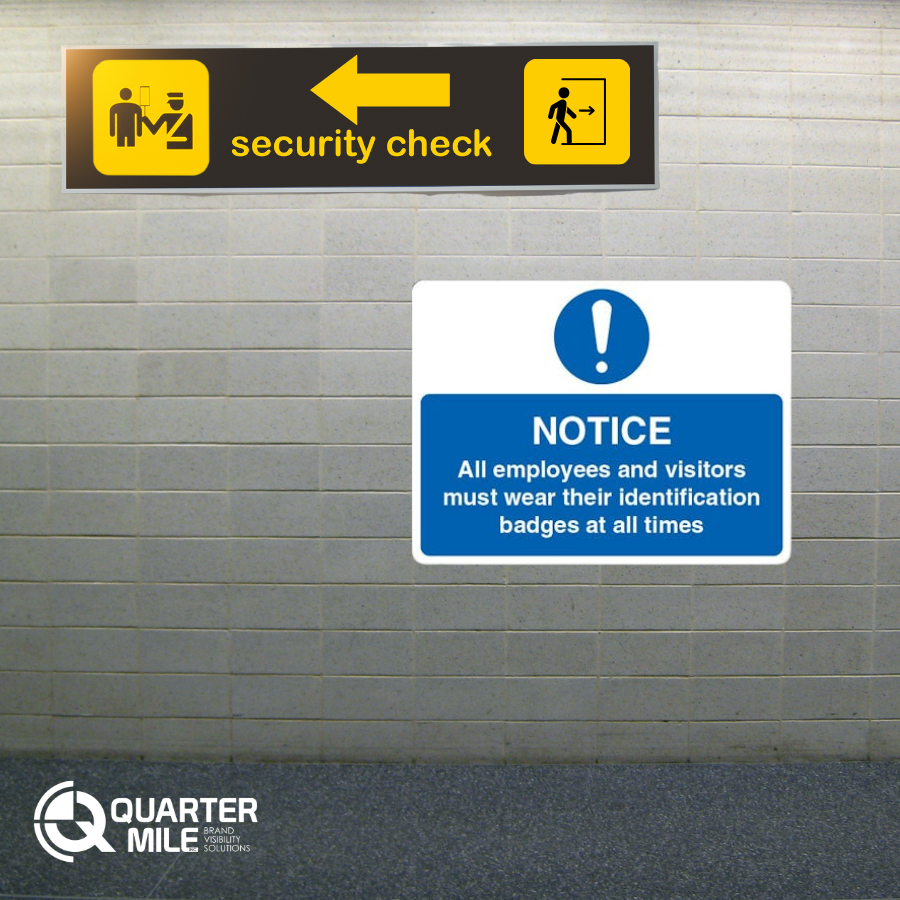
Signage plays a crucial role in directing visitors and communicating check-in procedures.
Examples:
CTPAT Connection:
Managing visitor access minimizes the likelihood of unauthorized entry and strengthens facility security.
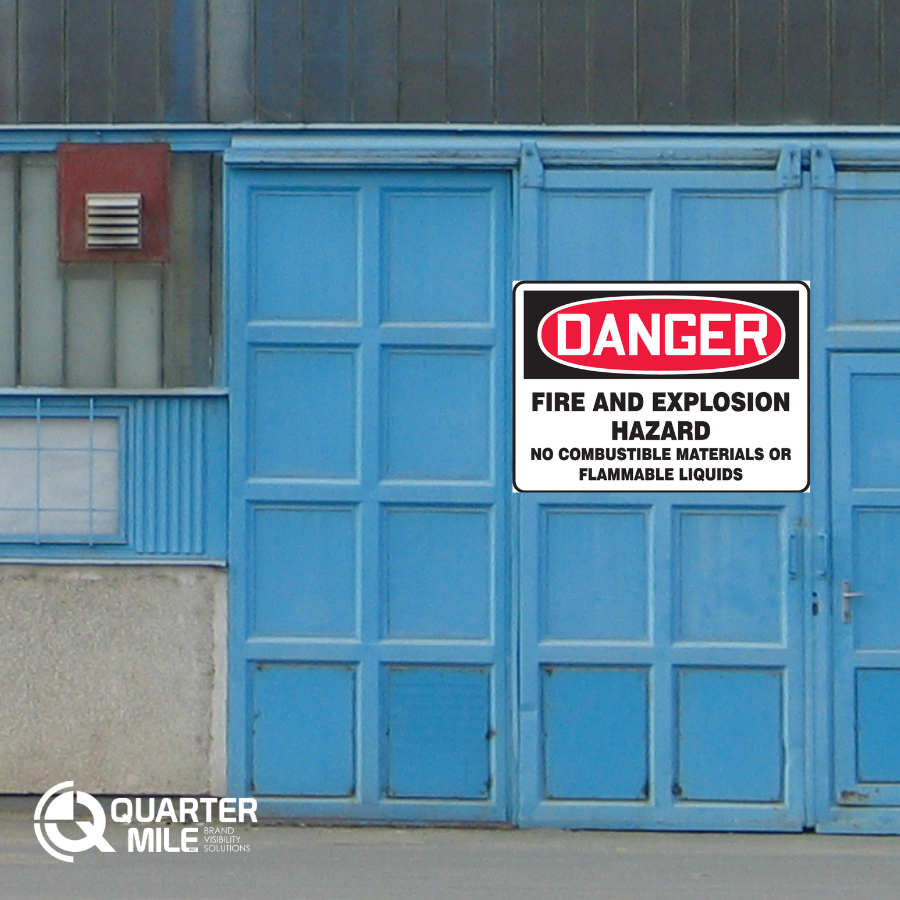
Strategically placed signage enhances awareness of physical security measures.
Examples:
CTPAT Connection:
Visible security signs deter potential threats and reinforce a safe, secure environment.
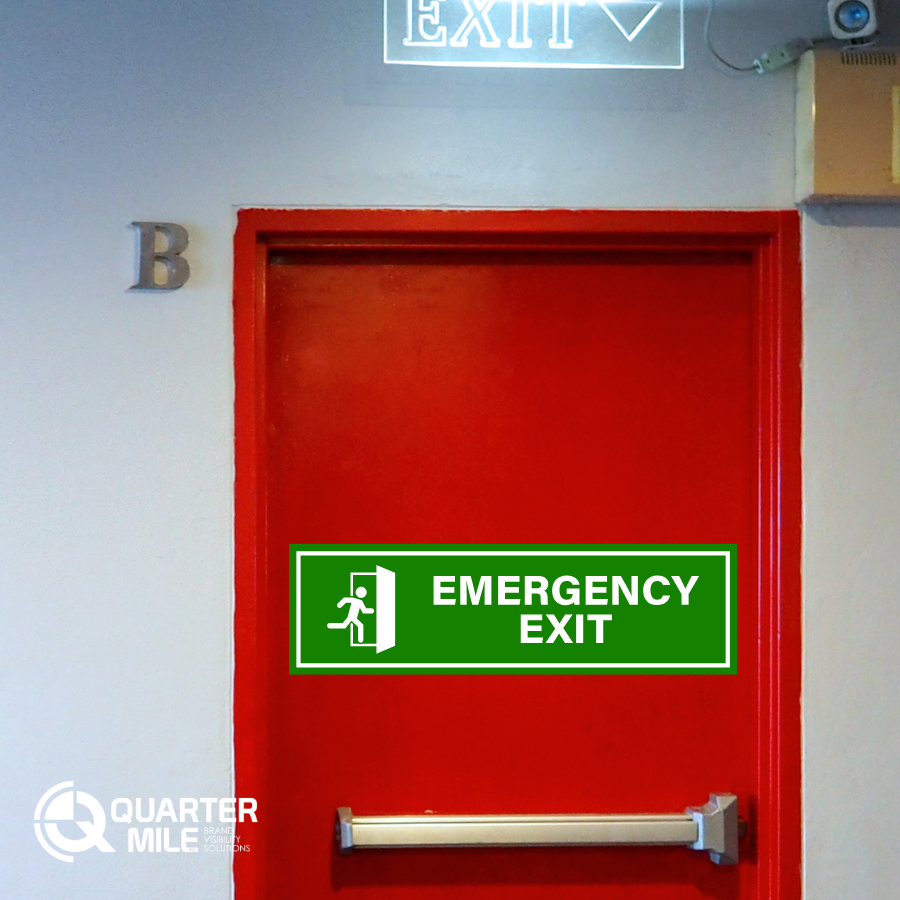
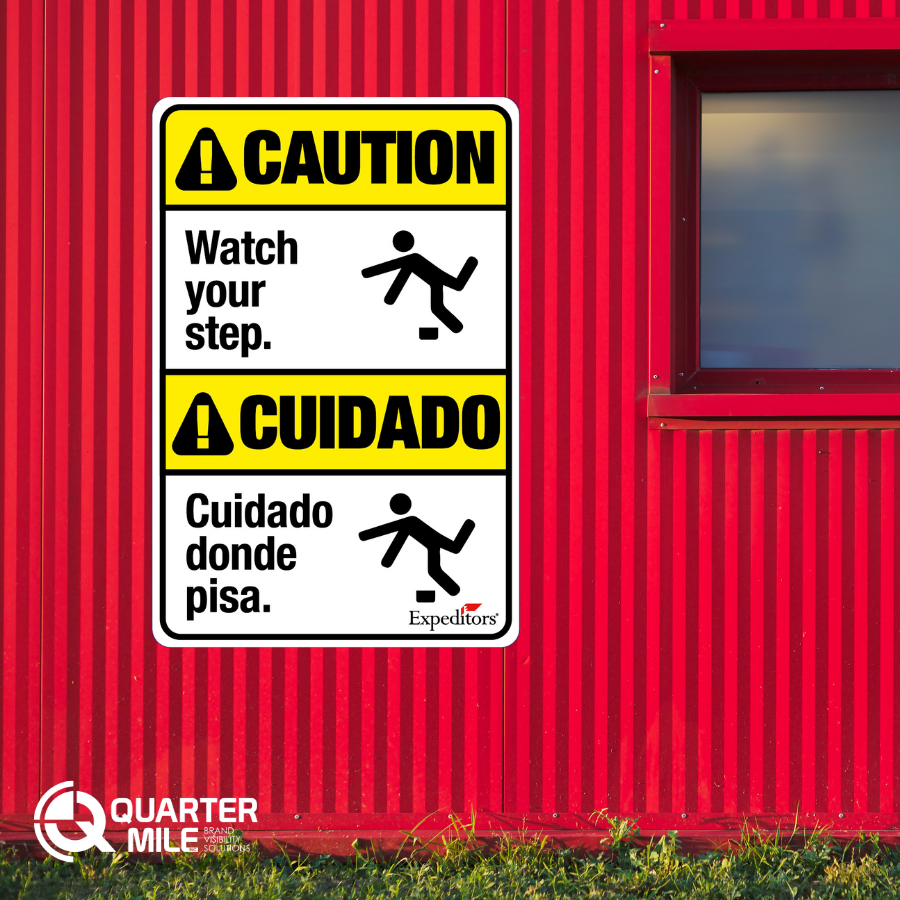
Safety signage ensures adherence to physical safety standards, a critical aspect of supply chain security.
Examples:
CTPAT Connection:
By protecting personnel safety, businesses uphold the secure and compliant environment required by CTPAT.
Signage reinforces cargo handling and inspection protocols.
Examples:
CTPAT Connection:
These measures reduce the risk of smuggling, tampering, or other security breaches during transit.
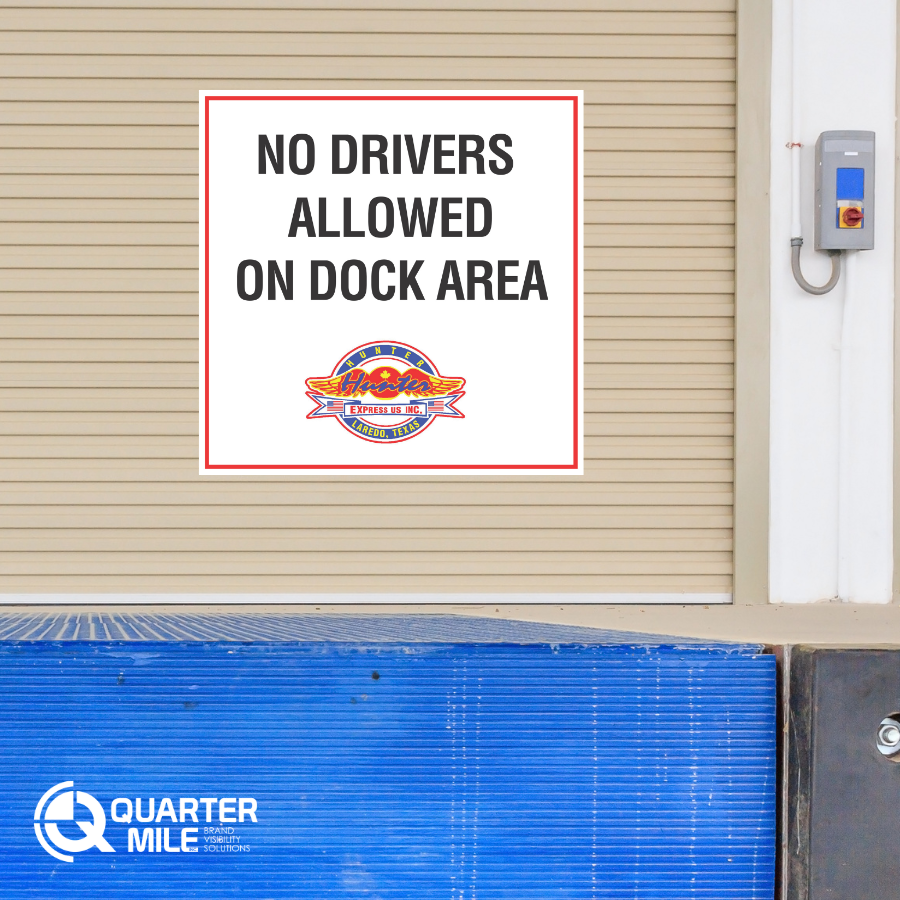
Educational signage keeps everyone informed about emergency procedures and security protocols.
Examples:
CTPAT Connection:
Raising awareness ensures vigilance and accountability among personnel and visitors alike.
Posting clear rules limits prohibited activities, safeguarding operational integrity.
Examples:
CTPAT Connection:
These signs reduce risks related to unauthorized surveillance or security breaches.
Effective signage is more than a requirement—it’s a commitment to maintaining a safe, compliant, and efficient workspace. By promoting awareness and enforcing rules, signage fosters a culture of vigilance and accountability.
Ready to enhance your facility’s security and compliance with CTPAT signage? Contact us to explore custom solutions tailored to your operational needs today!
Choose from options like:
• Coroplast
• Composite Aluminum
• Reflective and more
Whether you’re enhancing workplace safety or boosting security, the possibilities are truly limitless. Let’s create signage that works as hard as you do!
Yes. Whether you have a single delivery van or a fleet of 50+ semi-trucks, we have the team and shop capacity to handle high-volume projects with consistent quality and predictable turnaround. Larger projects are scheduled in waves to minimize fleet downtime.
Yes. We specialize in DOT-compliant fleet lettering and graphics — USDOT numbers, MC numbers, weight ratings, and identification all produced to FMCSA specifications. We’ll also check the regs for your specific vehicle class if you’re unsure what’s required.
We schedule fleet installs in waves. For most fleets, that means 1–2 vehicles in the shop at a time while the rest stay on the road. Pickup and drop-off scheduling is coordinated with your dispatcher to fit your operational hours.
Volume pricing kicks in at 3 vehicles, with deeper tiers at 6 and 16+ vehicles. Final discount depends on coverage type (decals vs. partial vs. full wrap) and vehicle complexity. Request a fleet quote and we’ll run the numbers for your specific project.
Yes. For semi-trucks, tractor-trailers, and oversized vehicles that can’t easily come into the shop, we offer on-site installation in Laredo, San Antonio, and the Rio Grande Valley.
Yes. We work directly from your brand book, logos, and color specs. If you don’t have a brand kit, our in-house design team can build one with you before production starts — no extra fee on most fleet projects.
A professionally installed wrap using premium cast vinyl lasts 3–6 years depending on vehicle storage, daily mileage, and weather exposure. High-mileage fleet vehicles tend to fall in the 3–5 year range. Decals and lettering see similar lifespans when applied to factory paint.
Not by name. CBP’s Minimum Security Criteria require things like positive identification of every visitor at the point of entry and visitor badges worn where people can see them. Signs are how a facility tells drivers and visitors where to check in and which areas are off limits.
Yes. We print English and Spanish on the same sign, so nobody on a mixed crew has to guess what it says.
Yes. A broker with three facilities can order one matched bilingual set for all of them, delivered to each address. From 3 signs on, the price per sign starts to drop.