


Safety Signage
Securing the Supply Chain: CTPAT Signage You Can Trust
Securing the Supply Chain: CTPAT Signage You Can Trust Signage is a vital tool for businesses
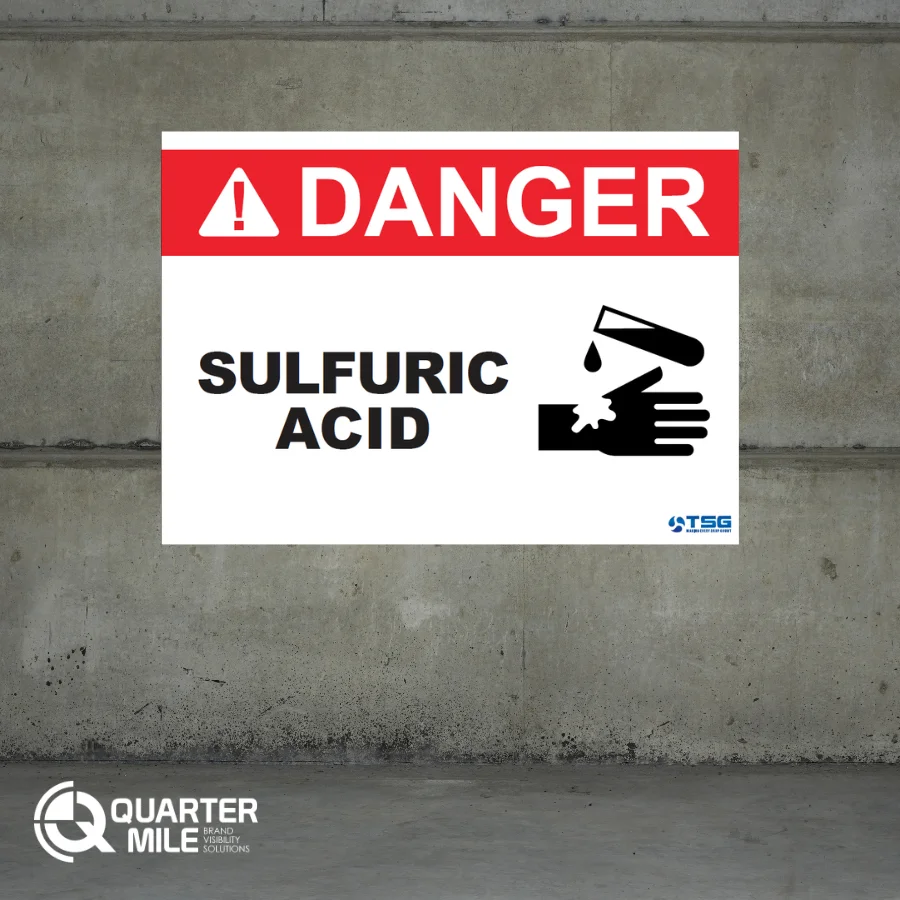
Walk into most warehouses and you’ll find warehouse safety signage that was installed once, years ago, and never revisited since. Doors get relabeled, racks get moved, new hazards show up, and the facility safety signage never catches up. This checklist is built around the three zones every warehouse actually has — interior, exterior, and warehouse floor — so you can walk your own space and know exactly what’s covered and what’s missing.
For a deeper look at why this matters beyond compliance, see Safety First: How Safety Signage Creates a Safer Workplace.

(A lot of business owner forget to exclude locations)
Interior signage is what keeps people moving safely and legally through the building itself — employees, visitors, and inspectors alike.
Not sure what’s ADA-required versus optional? Compliance Made Easy: ADA and Quality Control Signage Solutions breaks down the difference.
Exterior signage sets expectations before anyone steps inside — for drivers, delivery trucks, and visitors alike.
Parking and directional signage doing double duty as brand touchpoints? The Transformative Power of Wayfinding and Parking Signage covers how to get both right at once.
Floor-level signage and graphics are what your team actually sees and reacts to in real time, every shift.
Walk your facility zone by zone — start at the dock, move through the floor, finish inside. Anywhere you land on an unchecked box is worth a second look: is it missing entirely, or just outdated and hard to read at a glance? Both are compliance and safety gaps worth closing.
If you’re working through OSHA and ANSI requirements specifically, our custom safety and security signage page covers compliant options for every category on this list, made and installed locally.
For a broader look at what belongs on a warehouse floor beyond signage alone, see 10 Essential Types of Warehouse Safety Signage

(This is how the Map Pack looks like)
What safety signs are required in a warehouse?
At minimum, OSHA requires hazard communication signage, PPE requirements, emergency exit and fire equipment signage, and any site-specific hazard warnings (chemical, electrical, confined space). The exact requirements depend on what’s stored and processed on-site.
How do I choose the right size and design for prohibition signs in a busy warehouse?
Sign size should scale with viewing distance and traffic speed — a prohibition sign near a forklift lane needs to be readable at a glance, not read closely. ANSI Z535 standards provide size and color guidance based on hazard severity and typical viewing distance.
Where can I buy bulk safety signage for a warehouse team?
Look for a supplier who can produce custom, facility-specific signage at volume — not just a generic catalog. Locally produced signage typically means faster turnaround and easier reordering as your facility changes.

This page covers the essentials — but a full facility safety audit goes deeper. Download our complete OSHA Safety Signage Checklist: a printable, room-by-room and zone-by-zone guide covering every regulatory category, including chemical hazard communication, lockout/tagout, confined space, and fall protection requirements most checklists miss.
No spam, no obligation — just the checklist, straight to your inbox.
Securing the Supply Chain: CTPAT Signage You Can Trust Signage is a vital tool for businesses
Discover the 10 essential types of warehouse safety signage that enhance security, guide workflows, and ensure compliance with industry standards. Stay safe and organized!
Compliance Made Easy: ADA and Quality Control Signage Solutions Maintaining compliance with accessibility laws and ensuring